It’s gone 11pm. The house is asleep. The only light in the room is your phone.
And you’re asking ChatGPT what’s wrong with you. Again.

When life feels overwhelming or unfulfilled, deciding whether to work with a therapist or a life coach can feel confusing. Both can support you profoundly, but their approaches, training, and focus differ. Understanding these distinctions and the areas where they overlap is essential for choosing the best option for your unique needs.
There are several considerations when comparing the two roles which are outlined in the table below:
| Aspect
| Therapist
| Life Coach
|
| Primary Focus
| Healing emotional, psychological, or behavioural issues rooted in the past or present
| Facilitating personal growth, future goals, confidence, mindset
|
| Typical Methods
| Psychotherapy (CBT, EMDR, Trauma Therapy, Psychodynamic), exploring past traumas, mental health support
| Goal setting, mindset work, confidence-building, strategic action plans, overcoming limiting beliefs
|
| Qualifications
| Accredited degree (e.g., Psychology, Counselling) and clinical training
| Certified Life Coaching qualification, some with additional therapeutic skills (e.g., NLP, Hypnotherapy)
|
| Professional Bodies
| ACCPH, BACP, UKCP, HCPC, BABCP (UK recognised)
| ACCPH, ICF, EMCC, Association for Coaching (UK recognised)
|
| NHS Availability
| Yes – via GP referral, IAPT, or specialist clinics
| No – Private sector only
|
| Private Sector
| Available, often with more choice and specialisation
| Private sector, flexible, sometimes niche-focused
|
While their focus differs, therapists and life coaches share several essential skills:
Life coaches with trauma-informed training, like myself, often combine traditional coaching with therapeutic techniques, providing powerful, sustainable change – especially for women balancing complex roles.
You may benefit most from a therapist if you’re experiencing:
NHS Options: In the UK, therapy is accessible through your GP, NHS talking therapy services, or community mental health teams. However, waiting lists can be lengthy. Many opt for private therapy for faster access and specialist care.
Life coaching may be ideal if you:
Life coaching is a private investment, and research shows high satisfaction and lasting impact.
Mariah’s Story (Social Anxiety)
Mariah, a former senior leader and mother, struggled with debilitating social anxiety rooted in childhood trauma. Her healing required a combination of coaching and therapy, with space to process her past and rebuild self-worth.
Emma’s Story (Life Coaching Success)
Emma, a marketing executive, lacked confidence and clarity. Through 1-on-1 coaching, she transformed her mindset, negotiated a promotion, and achieved personal growth.
Whether you choose a therapist or a life coach, always check they:
This ensures you work with someone who follows a code of conduct, ethics, competence, and aligned to your needs.
There’s no ‘one-size-fits-all’ answer. Your decision depends on where you are on your journey, what you want to achieve, and the support you need. In many cases, the most effective approach combines both: healing old wounds with therapy and stepping boldly into your future with coaching.
That’s where I come in – with many years of experience of combining both coaching and therapy. Supporting my clients with effective process and frameworks whilst working on healing the root causes. A combined approach to embody the changes and outcomes they most desire.
Hi! I’m Roksana. I’m a life coach for women in St Albans, Hertfordshire. I run face to face and online sessions via Zoom. I also specialise in trauma healing. I’m always happy to answer your questions around any of my methods or approaches. Long term changes begin with a guide who has walked a similar path, has a blueprint, will give you support and accountability every step of the way. If you’re interested then please book a free 20-minute consultation. A warm, no-pressure conversation. We’ll see if we’re the right fit before anything begins.

It’s gone 11pm. The house is asleep. The only light in the room is your phone.
And you’re asking ChatGPT what’s wrong with you. Again.

Still second-guessing every decision? That voice isn’t wisdom, it’s a recording made in childhood. A South Asian daughter on finding hers, and turning it down.

You can run a meeting, a team, a whole company and still turn six years old the moment your mum’s name lights up your phone. The bracing isn’t a flaw. It’s a nervous system that never felt safe, and the story of how the pattern can change even when your parent never does.

Think of your mind as a family household. Inside, there are different members – your Parts. Each one has its own voice, temperament, and role. Some are playful, some are cautious, some carry wounds from the past.
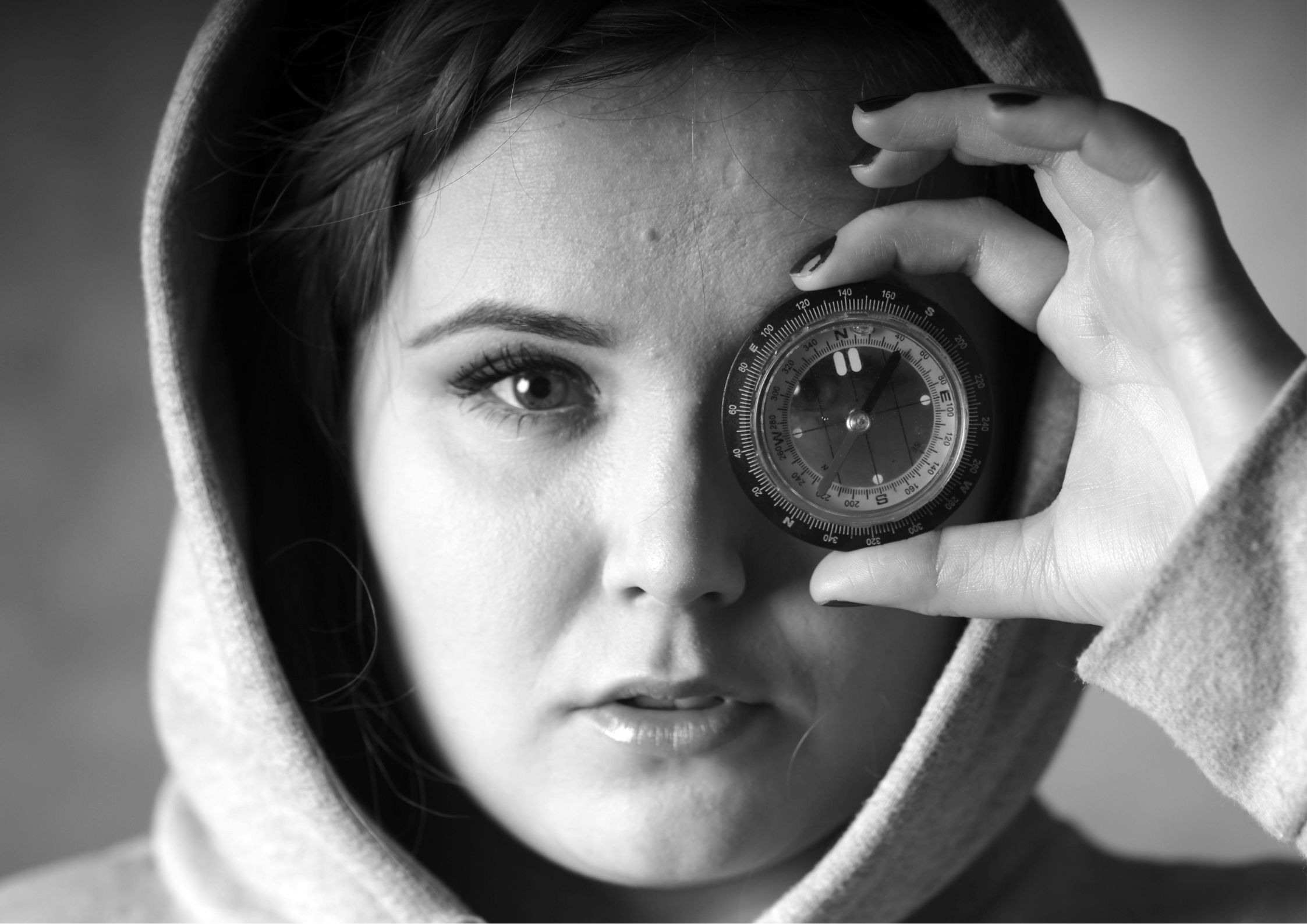
What nudges a person from quiet discomfort to actively seeking support from a life coach?
Let’s unpack the different ways people arrive at this decision and the types of challenges that bring them to coaching plus three real-world-inspired case studies that illustrate the evolution.