It’s gone 11pm. The house is asleep. The only light in the room is your phone.
And you’re asking ChatGPT what’s wrong with you. Again.

I want to begin with a gentle truth: I’m not a single parent.
But many of my beautiful, resilient clients are. And through our work together, I’ve been privileged to witness their incredible strength — and also the sheer weight they carry, day in and day out.
If you’re reading this and you’re parenting solo, juggling work, homework, washing up, bedtime battles, your own emotions (when you have the capacity to even notice them)… then this post is for you.
Grab a drink and settle down for 5 minutes or so.
This isn’t one of those picture-perfect Pinterest articles that tells you to wake up at 5am, journal for 20 minutes, do yoga, make smoothies, meditate, and float into your day in a bubble of zen.
This is about messy, real-life balance. Your balance. A balance that doesn’t mean doing everything. It means knowing what to do when everything’s on your shoulders.
You’ve probably heard the term work/life balance thrown around like it’s something you can pin down, wrap in a bow, and stick to like a schedule. But for single parents — and let’s be honest, for most of us — balance isn’t a fixed formula.
It’s a rhythm. Some seasons are pure survival mode. Others allow for a little breathing room. And sometimes, the rhythm changes hour by hour. Giving yourself permission to be fully present in any given season means accepting where you are. Some of our internal suffering comes from longing to be in another moment or another season of our lives, and usually, the emotion of guilt is the culprit.
Harvard Business Review calls this “harmony” rather than balance, and says that what leads to greater satisfaction is flexibility and clarity in your values, not a perfect 50/50 split between work and home.
So, let’s start from this place:
You’re not failing because it feels hard. It is hard. You’re doing the best you can with the capacity and resources you have. You’re not failing at all. There’s so much you are accomplishing but those pesky crooked thoughts are forcing you to focus on the lack rather than the long list of accomplishments.
One thing that comes up a lot in my sessions is the mental load — that invisible, exhausting task list that lives in your brain:
This list? It’s always running. And because it’s invisible, no one sees it — yet you’re the one doing the admin, emotional soothing, planning, and fixing on your own.
A small but mighty first step?
Write it down. All of it. Brain dump everything — then ask yourself:
Your mind deserves offloading. Not overloading.
💡 1. Morning Anchors (Not Routines)
Forget the pressure of perfect routines. Instead, try anchoring your morning with just one steady practice:
Think of it like placing your feet firmly on the ground before the whirlwind begins.
“One mindful minute is more sustainable than thirty perfect ones.”
💡 2. Micro-Pockets of Self-Time
You might not have an hour to yourself — but you do have five minutes.
These small actions regulate your nervous system, reduce the emotional charge, and gently remind your body that you matter too.
💡 3. Know Your Bare Minimums
Ask yourself, what are the non-negotiables that help me feel steady?
It might be:
These are your bare minimums. Honour them not as indulgence, but as essential maintenance. Dr. Kristin Neff, a leading researcher on self-compassion, calls this the practice of “treating yourself as you would a friend” (source).
💡 4. Time Blocking with Wiggle Room
To-do lists can feel overwhelming. Instead, try time blocking:
Expect disruptions — and plan for them. That buffer space? It’s not laziness. It’s strategy.
💡 5. Build a Micro-Village
You were never meant to do this all alone.
That “it takes a village” saying? It wasn’t just about the kids — it was about you, too.
Help isn’t weakness. It’s wisdom.
Work/life balance isn’t just logistics. It’s emotional.
It’s decision fatigue. It’s invisible guilt. It’s holding space for everyone’s needs — while yours shrink into the cracks.
Therapy, coaching, journaling, or even just naming the hard stuff out loud can make a huge difference. I often see clients feel immediate relief just from saying, “I’m not coping” — and being met with compassion, not judgement.
You don’t need to be desperate to deserve support.
You miss a school performance. You order takeout again. You lose your temper.
Then the guilt hits.
Here’s a reframe: Guilt isn’t always a signal that you’re doing something wrong. It’s often a signal that you care. That you’re trying.
Let that be a mirror to your values — not a verdict on your worth.
Journal prompt: What would I say to a friend in my shoes right now?
Balance isn’t a destination. It’s a series of small, brave choices made each day in a world that rarely makes space for your full reality.
So, if you’re feeling overwhelmed… I see you.
If you’re holding it all together and barely holding on… I honour you.
And if you’re ready for support — emotional, practical, or both — know that you’re allowed to ask for it. Give yourself permission to be supported in this season of your life.
Whether it’s through breathwork, emotional regulation tools, or compassionate coaching — I’m here. And you don’t have to figure it all out alone.
Want to find your version of balance?
Let’s work together to gently reduce the overwhelm and reconnect you to you.
You are worthy of a life that feels spacious, even in the busiest of seasons.
Hi! I’m Roksana. I’m a life coach for women in St Albans, Hertfordshire. I run face to face and online sessions via Zoom. I also specialise in trauma healing. I’m always happy to answer your questions around any of my methods or approaches. Long term changes begin with a guide who has walked a similar path, has a blueprint, will give you support and accountability every step of the way. If you’re interested to know more then please book a FREE call with me.

It’s gone 11pm. The house is asleep. The only light in the room is your phone.
And you’re asking ChatGPT what’s wrong with you. Again.

Still second-guessing every decision? That voice isn’t wisdom, it’s a recording made in childhood. A South Asian daughter on finding hers, and turning it down.

You can run a meeting, a team, a whole company and still turn six years old the moment your mum’s name lights up your phone. The bracing isn’t a flaw. It’s a nervous system that never felt safe, and the story of how the pattern can change even when your parent never does.

Think of your mind as a family household. Inside, there are different members – your Parts. Each one has its own voice, temperament, and role. Some are playful, some are cautious, some carry wounds from the past.
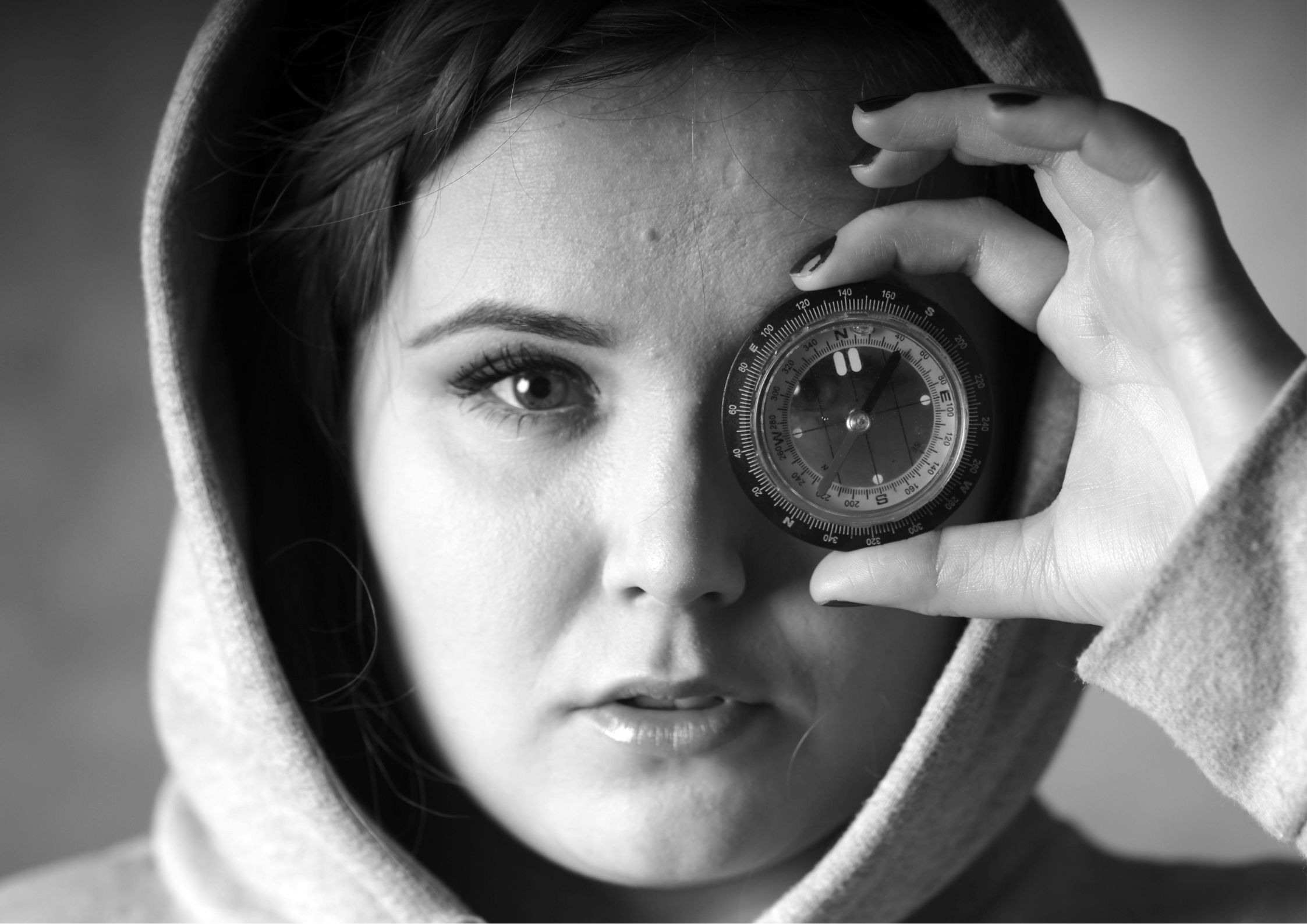
What nudges a person from quiet discomfort to actively seeking support from a life coach?
Let’s unpack the different ways people arrive at this decision and the types of challenges that bring them to coaching plus three real-world-inspired case studies that illustrate the evolution.