Think of your mind as a family household. Inside, there are different members – your Parts. Each one has its own voice, temperament, and role. Some are playful, some are cautious, some carry wounds from the past.


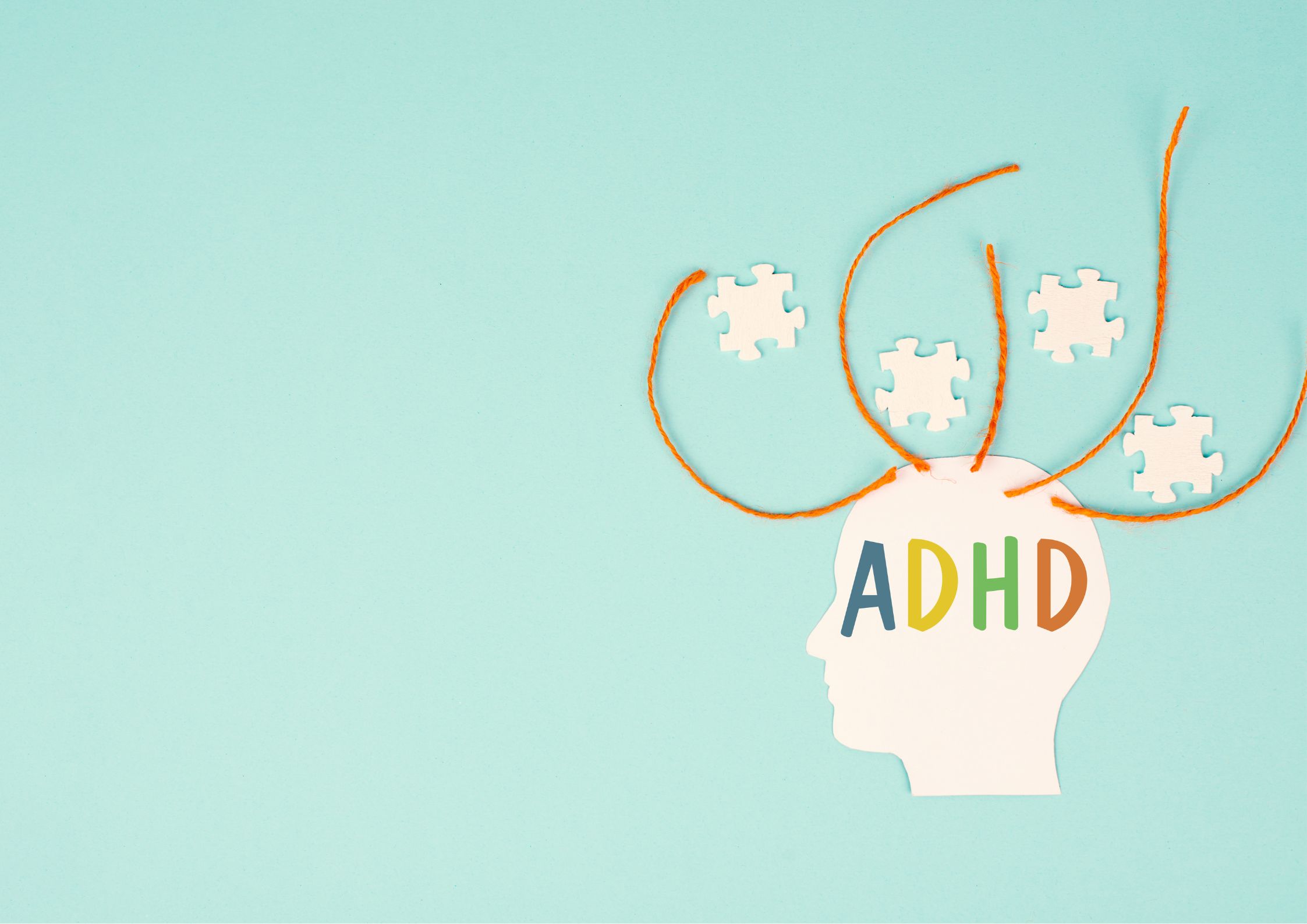
Attention Deficit Hyperactivity Disorder (ADHD) is a neurodevelopmental disorder characterized by persistent patterns of inattention, impulsivity, and hyperactivity that significantly interfere with daily functioning and development. While traditional treatments such as medication and therapy have shown effectiveness in managing ADHD symptoms, emerging alternative therapies like Eye Movement Desensitization and Reprocessing (EMDR) have sparked interest in the mental health community for their potential in addressing ADHD symptoms. In this blog post, we’ll delve into the fundamentals of EMDR therapy and explore its potential in treating ADHD.
EMDR therapy, initially developed by Francine Shapiro in the late 1980s, was primarily designed to alleviate symptoms associated with trauma-related disorders, such as post-traumatic stress disorder (PTSD). It involves a structured eight-phase approach that integrates elements of Cognitive Behavioural Therapy (CBT) with bilateral stimulation techniques, such as eye movements, hand or knee tapping, or auditory tones. These bilateral stimulations are believed to facilitate the processing of distressing memories and experiences, thereby reducing their emotional charge and associated symptoms.
While EMDR therapy has traditionally been associated with trauma treatment, its principles have been adapted and applied to various other mental health conditions, including anxiety, depression, phobias, and addiction. However, its potential efficacy in addressing ADHD symptoms is a relatively newer area of exploration.
ADHD is often accompanied by conditions such as anxiety, depression, and trauma-related symptoms, which can exacerbate the individual’s overall functioning and quality of life. EMDR therapy’s ability to target underlying traumatic experiences and negative cognitions may indirectly benefit individuals with ADHD by addressing these symptoms.
One of the hallmark features of ADHD is executive dysfunction, which encompasses difficulties in impulse control, attention regulation, and organization. Emerging research suggests that individuals with ADHD may also experience disruptions in their working memory and emotional regulation processes, contributing to their symptomatology.
By targeting and reprocessing distressing memories and maladaptive beliefs, EMDR may help individuals with ADHD enhancing their executive functioning skills. Through the desensitization and reprocessing of past traumatic experiences or negative self-perceptions, clients may experience improvements in attentional focus, impulse control, and emotional regulation.
Moreover, EMDR’s bilateral stimulation techniques are hypothesised to promote neurobiological changes within the brain, specifically in areas implicated in attention and emotional regulation. Studies have shown that bilateral stimulation induces a state of dual attention, individuals simultaneously focus on the distressing memory or thought while attending to the external stimuli (e.g., eye movements). This dual attention process is believed to facilitate adaptive information processing and the integration of new, more adaptive beliefs and behaviours.
While the research exploring the direct efficacy of EMDR therapy in treating ADHD is still in its infancy, preliminary evidence suggests promising outcomes. A pilot study conducted by van der Kolk et al. (2018) explored the feasibility and effectiveness of EMDR therapy in treating adults with ADHD and comorbid PTSD. The results indicated significant improvements in ADHD symptoms, PTSD symptoms, and overall functional impairment following EMDR treatment.
Anecdotal reports and clinical observations have highlighted the positive impact of EMDR therapy on ADHD symptomatology, particularly in individuals with a history of trauma or adverse childhood experiences. Clients have reported enhanced self-regulation, reduced impulsivity, and improved attentional focus following EMDR treatment sessions.
It’s essential to acknowledge that while EMDR therapy shows promise in addressing ADHD symptoms, it should not be viewed as a standalone treatment for ADHD. Rather, it can complement existing interventions, such as medication management, psychoeducation, and behavioural therapies, as part of a comprehensive treatment plan tailored to the individual’s unique needs.
In conclusion, while further research is warranted to elucidate the precise mechanisms and efficacy of EMDR therapy in treating ADHD, preliminary findings suggest that it holds promise as a part of integrated intervention for individuals with ADHD, particularly those with trauma-related symptoms. As our understanding of the neurobiological underpinnings of ADHD and the therapeutic mechanisms of EMDR continues to evolve, so too does the potential for innovative approaches to improving the lives of individuals affected by this complex disorder.
Hi! I’m Roksana. I’m a life coach for women in St Albans, Hertfordshire. I run face to face and online sessions via Zoom. I also specialise in trauma healing. I’m always happy to answer your questions around any of my methods or approaches. Long term changes begin with a guide who has walked a similar path, has a blueprint, will give you support and accountability every step of the way. If you’re interested to know more then please book a FREE call with me.
References:
Think of your mind as a family household. Inside, there are different members – your Parts. Each one has its own voice, temperament, and role. Some are playful, some are cautious, some carry wounds from the past.

What nudges a person from quiet discomfort to actively seeking support from a life coach?
Let’s unpack the different ways people arrive at this decision and the types of challenges that bring them to coaching plus three real-world-inspired case studies that illustrate the evolution.

Coaching in organisations is widely seen as transformative because it delivers measurable and cultural shifts across three critical axes: profitability, talent retention, and talent growth.

In the UK’s growing world of mental health and personal development, many people wonder: Is life coaching the same as therapy or counselling? The short answer is no but they do overlap in powerful ways. Understanding the distinctions helps you access the right kind of support at the right time.

From career transitions to relationship healing, from financial empowerment to emotional resilience, life coaching offers a structured, supportive, and deeply personalised path forward. But what exactly does life coaching involve and how can it help optimise the quality of your life and career?